November 19, 2026
Choosing the right materials is one of the most important parts of planning a home renovation or new construction project. Whether updating a kitchen, remodeling a bathroom, or designing a custom feature, natural and engineered stone can provide an attractive, durable surface that complements the surrounding space. However, not every material offers the same appearance, performance, or maintenance requirements. Selecting the right stone slab involves more than finding a color or pattern that looks appealing. Homeowners should also consider material composition, thickness, durability, finish, and long-term care.
A premium surface should complement the home's design while meeting the practical needs of the household. Understanding what to examine before making a purchase can help homeowners feel more confident in their decisions. Temple Stone LLC understands the importance of choosing quality stone materials that balance appearance and functionality. By evaluating several important characteristics, homeowners can identify a surface that suits their space and provides lasting value.
Consider the Type of Stone Material
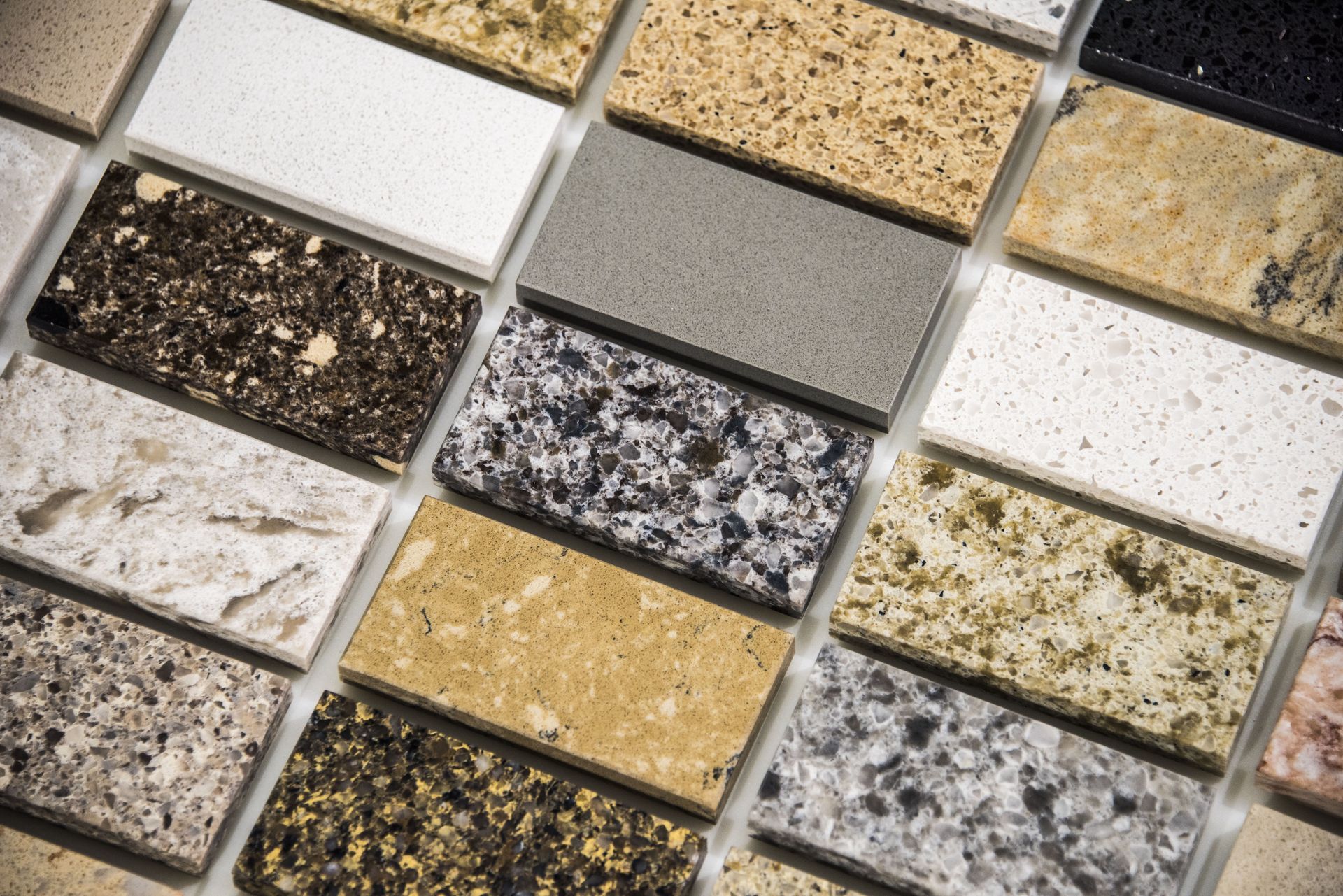
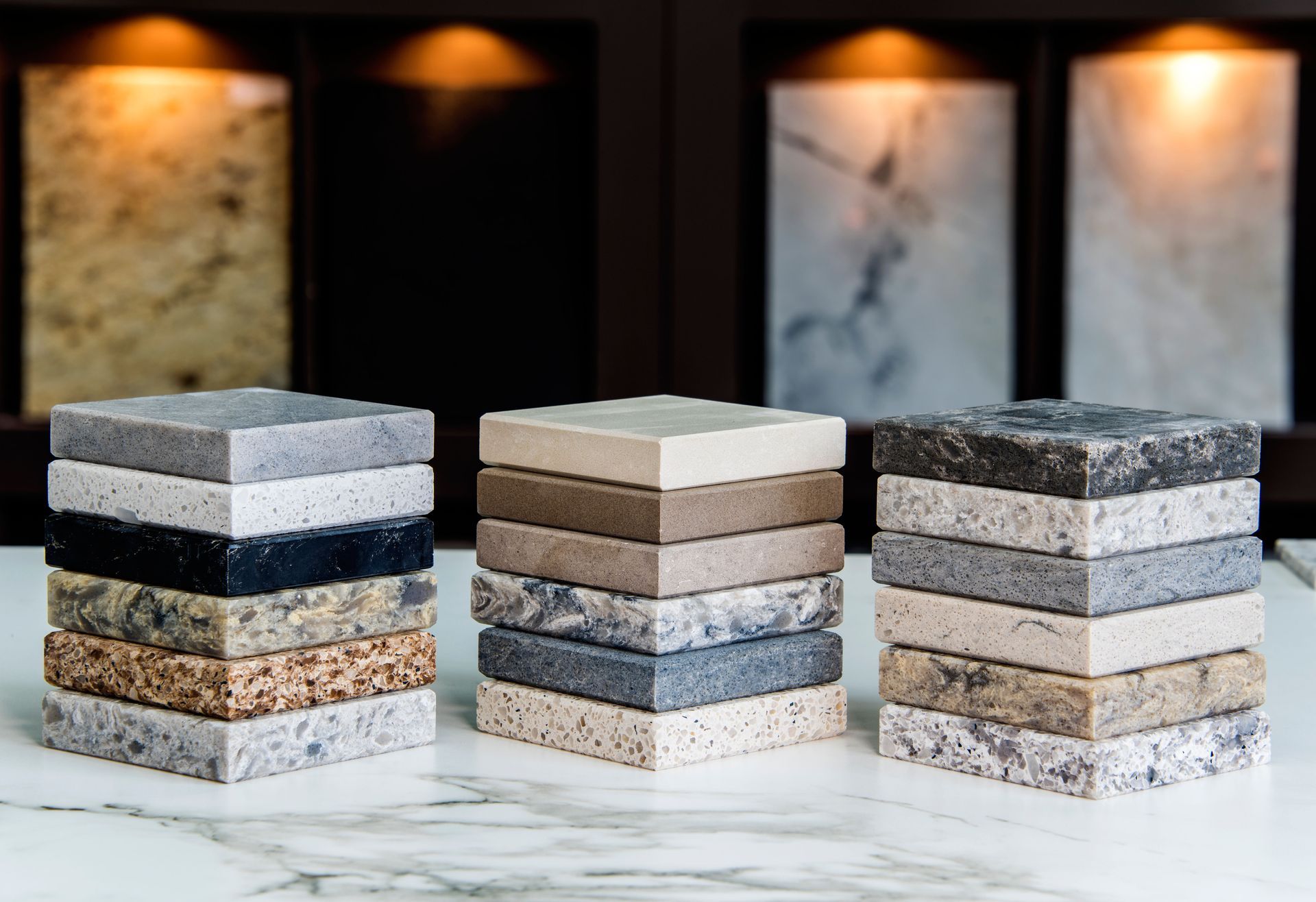
One of the first things homeowners should consider is the type of stone they want to incorporate into their project. Different materials have distinct appearances, strengths, and maintenance requirements. Granite, marble, quartzite, and engineered quartz are among the popular choices for countertops, bathroom vanities, backsplashes, and other interior applications.
Granite is known for its natural patterns and durability. Because it forms through natural geological processes, each piece features unique mineral deposits, colors, and variations. It is generally resistant to heat and everyday wear, making it a practical option for busy kitchens.
Marble offers a different appearance, often featuring elegant veining and softer color variations. It is frequently selected for bathrooms, decorative surfaces, and kitchens where aesthetics are a major priority. However, marble is more susceptible to scratching and staining than some other materials, so homeowners should understand its care requirements before choosing it.
Quartzite is another natural option that combines distinctive veining with considerable hardness. Engineered quartz, meanwhile, is manufactured using a combination of natural quartz and resins. This creates a consistent appearance across many designs and provides a nonporous surface that does not require sealing. Comparing these materials helps homeowners narrow their choices based on their priorities.
Examine Color and Natural Patterns
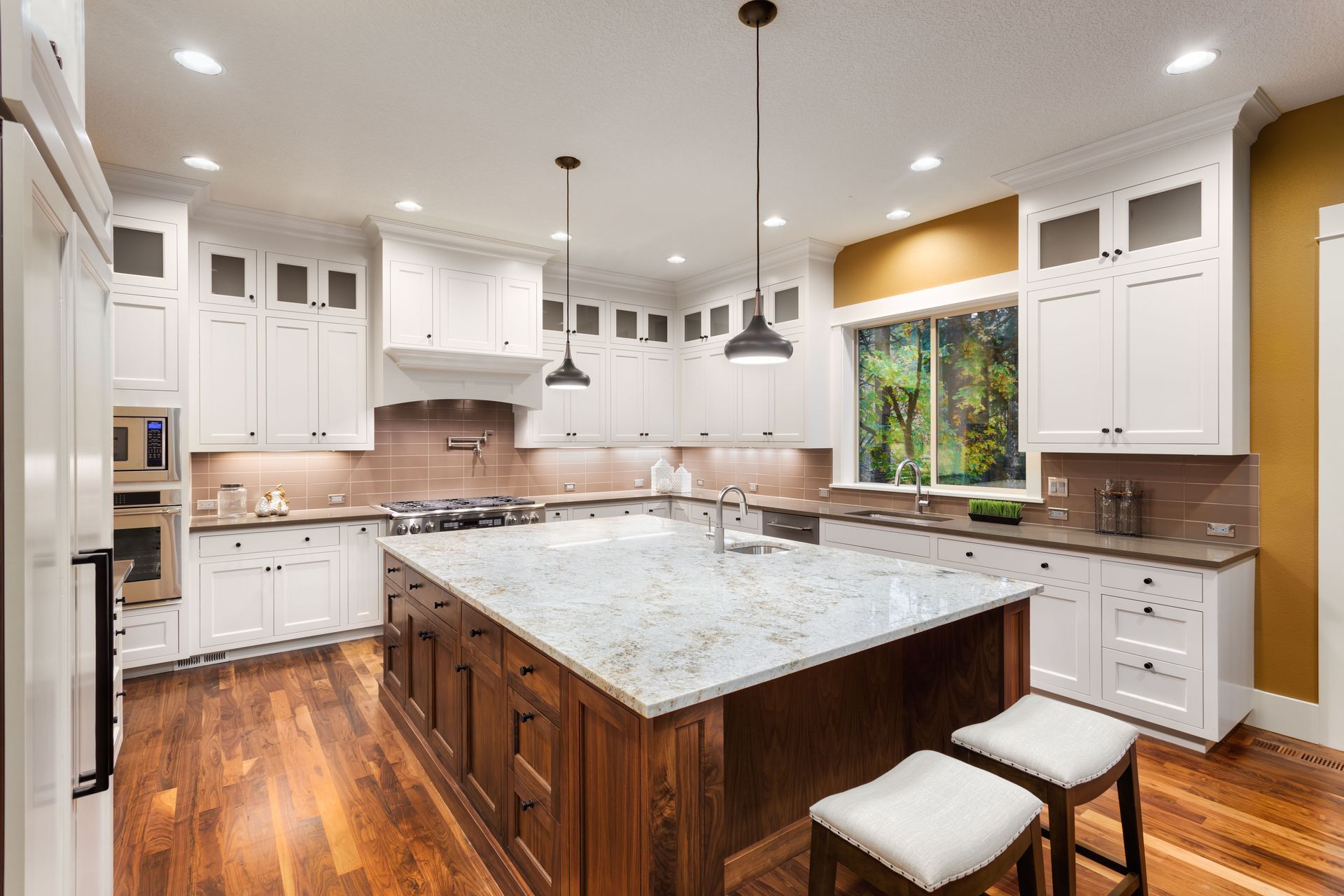
Color and pattern play a significant role in determining how a stone surface will look within a finished room. A material that appears attractive in a showroom may look different once installed alongside cabinets, flooring, wall colors, and lighting. Homeowners should consider the overall design of the space rather than evaluating a material in isolation.
Natural stone features variations that make every piece distinctive. Some surfaces have subtle patterns and consistent coloring, while others contain dramatic veining, mineral deposits, or contrasting tones. Neither option is necessarily better. The right choice depends on the visual effect homeowners want to create.
It is also important to consider how patterns will appear across larger surfaces. For example, a heavily veined material may create a striking focal point on a kitchen island. However, homeowners should examine how the pattern will continue across adjoining sections if multiple pieces are needed. This is particularly important for projects involving long countertops or multiple connected surfaces.
Lighting can also influence how colors and patterns appear. Natural daylight, warm interior lighting, and cooler artificial lighting may each affect the perceived color of a material. Viewing samples in different lighting conditions can help prevent unexpected differences after installation.
Evaluate Durability and Daily Performance
A premium surface should be selected with its intended use in mind. A kitchen countertop, for instance, experiences different demands than a bathroom vanity or decorative fireplace surround. Homeowners should evaluate how well a material can withstand the activities that will take place around it.
Hardness, scratch resistance, heat resistance, and porosity are important characteristics to investigate. Harder materials generally offer better resistance to everyday scratching, although no surface is completely immune to damage. Similarly, heat-resistant materials may tolerate higher temperatures, but using trivets and protective barriers is still a good practice.
Porosity is another important consideration. Some natural stones have small openings that allow liquids to penetrate the surface. This can increase the likelihood of staining if spills are not cleaned promptly. Certain materials benefit from periodic sealing to help reduce absorption and protect their appearance.
Homeowners should also consider how frequently the surface will be used. A household that regularly prepares meals may prioritize durability and simple maintenance. A decorative bathroom surface may allow more flexibility when choosing a material that requires additional care. Matching the material's characteristics to its intended application can help ensure better long-term performance.
Check Thickness and Overall Construction
Thickness is another detail that homeowners should examine when comparing materials. It can influence the appearance, weight, installation requirements, and overall design of a finished surface. According to This Old House, stone slabs typically come in two standard thicknesses: about 3/4-inch and about one 1/4-inch.
Thinner materials can create a streamlined appearance and may be appropriate for certain applications. Thicker options can provide a more substantial visual profile, particularly on kitchen islands and countertops. Some designs also incorporate built-up edges to create the appearance of greater thickness without using a single thicker piece of material.
The appropriate thickness depends on the material, application, cabinet support, and installation specifications. Homeowners should discuss these factors with their stone supplier and installer before making a final selection. Weight is particularly important because cabinets and supporting structures must be capable of handling the finished installation.
It is also worth examining the overall construction and condition of the material. Look for visible cracks, chips, or other imperfections that could affect the finished surface. Natural variations are expected in natural stone, but structural damage should be evaluated before purchase.
Compare Surface Finishes and Textures
The finish of a stone surface can significantly influence its appearance and everyday functionality. Different finishes change how light interacts with the material and how its texture feels to the touch. Homeowners should explore available options before choosing a final design.
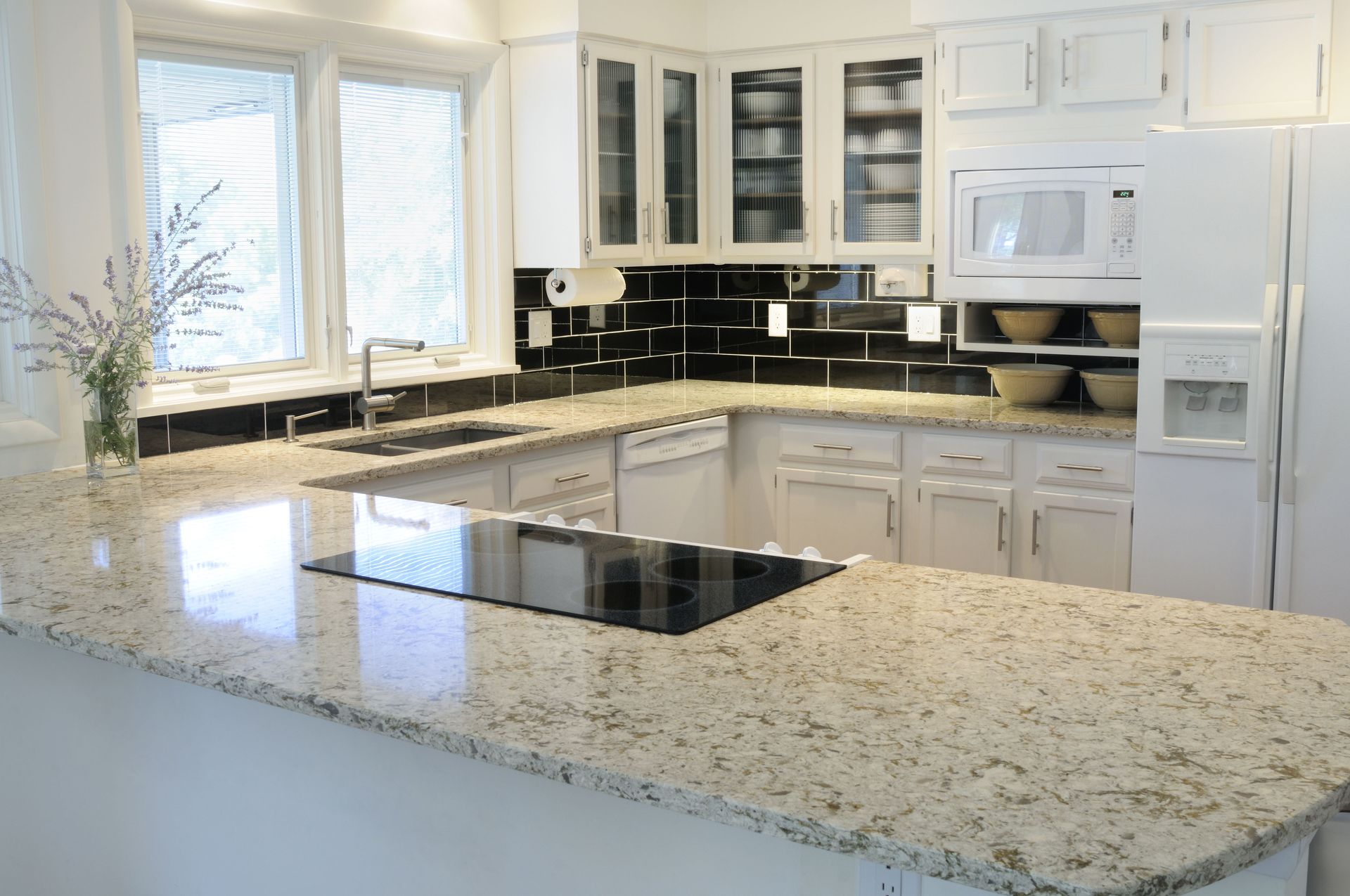
A polished finish creates a smooth, reflective surface that can make colors and patterns appear more vibrant. This option is popular for kitchen countertops and other applications where a glossy appearance is desired. However, reflections may make certain marks or fingerprints more noticeable.
Honed finishes have a smooth but matte appearance. They offer a softer visual effect and are often selected for homeowners who prefer understated designs. Depending on the material, honed surfaces may require additional attention because certain marks and stains can be more visible.
Leathered finishes provide a textured appearance with a subtle sheen. They can add visual depth and create a distinctive feel, particularly on natural stones with noticeable mineral patterns. The texture may also help conceal fingerprints and minor surface marks.
When comparing finishes, homeowners should consider both appearance and maintenance. A finish that looks appealing should also work with the intended use of the surface. Asking to see full-size samples or finished examples can make it easier to understand how each option will look in the home.
Review Maintenance and Cleaning Requirements
Maintenance is an important consideration that should not be overlooked when selecting a premium surface. Different materials require different cleaning products, protective treatments, and levels of attention. Understanding these requirements beforehand can help homeowners avoid choosing a material that does not fit their lifestyle.
Some natural stones require periodic sealing to help protect against moisture and staining. The frequency depends on the specific stone, the sealant used, and how heavily the surface is utilized. Homeowners should ask whether sealing is recommended and what type of maintenance schedule is appropriate.
Daily cleaning practices also matter. Mild soap, water, and a soft cloth are suitable for many stone surfaces, although manufacturers may recommend specific products. Harsh chemicals, abrasive cleaners, and acidic substances can damage certain materials, particularly marble and other acid-sensitive stones.
With careful planning, the right
stone slab can become a functional and attractive feature that complements the home for years. Temple Stone LLC can help homeowners explore stone options and consider the characteristics that matter most when planning a project. By prioritizing quality, appearance, and everyday performance, homeowners can make a selection that works well for their space and design goals. Contact us today for more information.